
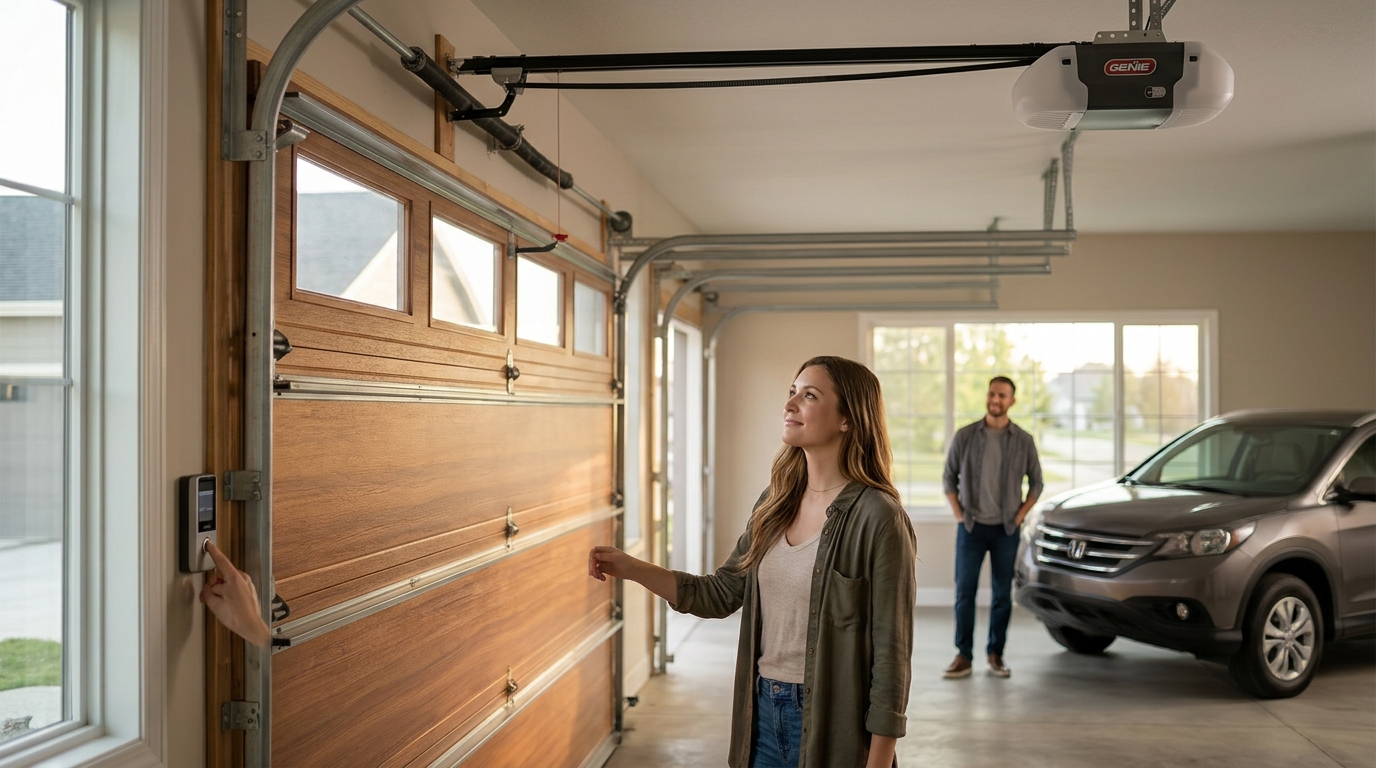
How to Match Your Garage Door Opener and Door for Optimal Performance
Your garage door opener and door are properly matched when the motor's horsepower and drive type align with the door's weight, size, and balance. A mismatched system causes premature wear, loud operation, and safety failures. Garage Door Store Boise helps Treasure Valley homeowners verify these critical alignments to ensure smooth, quiet, and secure daily use.
The Critical Role of Door Balance in System Matching
Garage door balance is the state where the spring system carries the majority of the door's weight, allowing the opener to guide the door rather than lift it. When a door is out of balance, the opener motor strains significantly, leading to stripped gears and overheated components. This mechanical strain is the most common cause of premature opener failure in the Treasure Valley.
Homeowners can verify balance by disconnecting the opener using the red emergency release cord and lifting the door by hand to the halfway point. A properly matched system will allow the door to stay in place or move only slightly when released. If the door slams down or shoots up, the spring system requires professional adjustment before any opener upgrade is considered.
Addressing balance issues first ensures that the opener's force settings can be calibrated correctly. This foundational step prevents the "opener problem" that is actually a door hardware issue, saving homeowners from unnecessary replacement costs.
Aligning Motor Power with Door Weight and Size
Motor power matching is the process of selecting an opener with sufficient horsepower to move a specific door size and material without excessive strain. For most residential applications, a 1/2 HP motor is adequate for standard single doors and lighter double doors. However, insulated steel doors and heavier custom wood doors often require a 3/4 HP or 1 HP motor for optimal performance.
In Boise, where temperature swings can affect metal components and lubrication, proper power matching is even more critical. An underpowered motor will struggle more during cold snaps, while an oversized motor may operate with unnecessary force, accelerating wear on the door's rollers and hinges. Garage Door Store Boise technicians assess door weight and construction to recommend the precise motor strength needed.
Matching power to the door ensures that the opener operates within its designed efficiency range. This alignment extends the lifespan of both the motor and the door hardware, providing a smoother and more reliable user experience.
Selecting the Right Drive Type for Your Home Layout
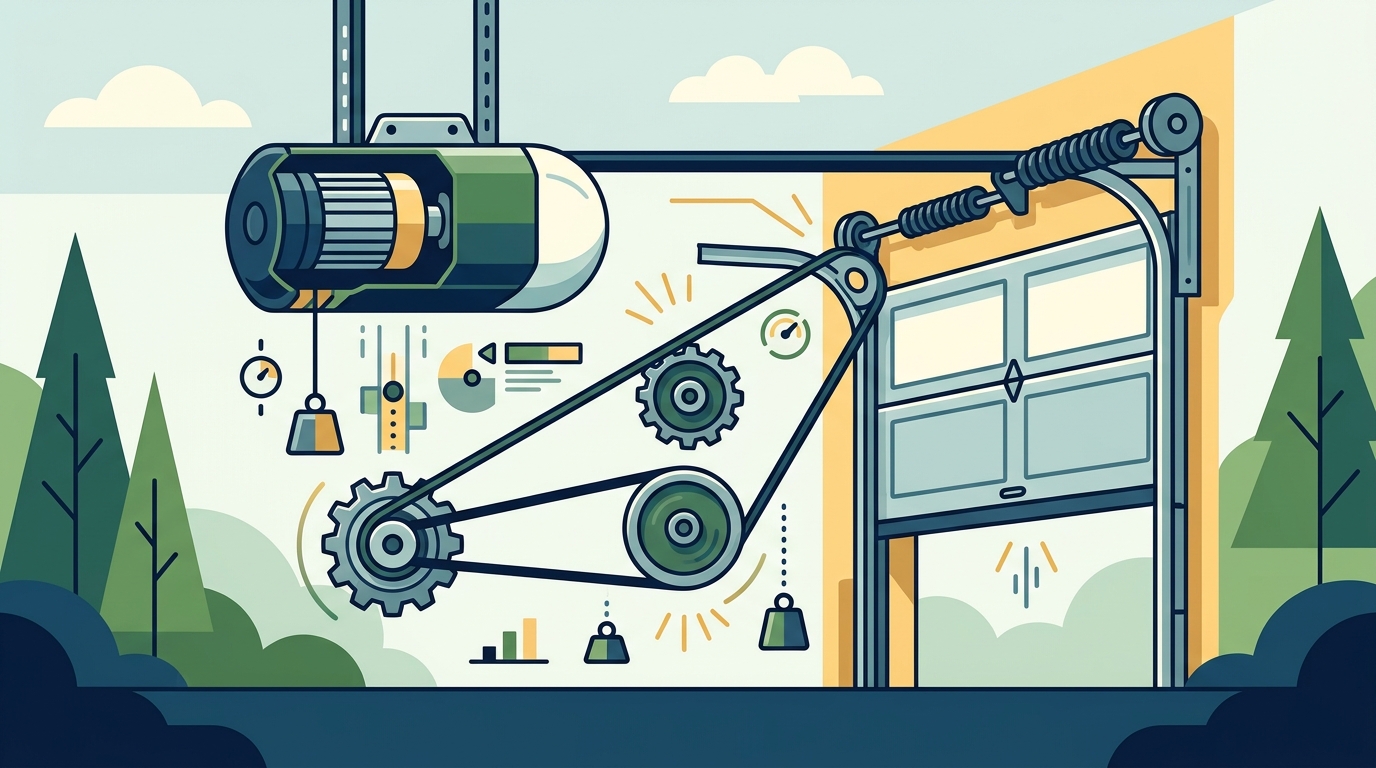
Drive type selection is the choice of mechanism used to move the trolley along the rail, which directly impacts noise levels and maintenance requirements. Chain-drive openers are generally the most budget-friendly and durable but produce the most noise due to metal-on-metal movement. Belt-drive openers are typically the quietest option, making them ideal for homes with bedrooms located above or adjacent to the garage.
Wall-mount or jackshaft openers offer a different approach by mounting the motor on the wall next to the door, freeing up ceiling space. This type is particularly useful in garages with high ceilings or limited headroom. The choice of drive type should align with the homeowner's noise tolerance and the specific layout of their garage.
Choosing the correct drive type ensures that the opener's operational characteristics fit the living environment. For example, a belt-drive system is often the preferred choice for attached garages in Meridian and Eagle to maintain a quiet indoor atmosphere.
Verifying Safety and Smart Feature Compatibility
Safety feature compatibility is the confirmation that all entrapment protection systems, such as photo eyes and force sensing, are correctly installed and calibrated. Modern residential garage door operators must comply with safety standards to prevent injury. The Consumer Product Safety Commission regulates these systems to ensure they stop and reverse if an obstruction is detected in the closing path.
Smart features, such as Wi-Fi connectivity and battery backup, must also be compatible with the opener's control board. A mismatched smart accessory can cause connectivity issues or prevent the opener from receiving commands. Garage Door Store Boise ensures that all smart add-ons are properly integrated and secured with strong passwords to maintain both convenience and security.
Proper safety and smart feature matching ensures that the system not only operates smoothly but also protects the household. This includes verifying that battery backup units function correctly during power outages, a common concern for homeowners in the Treasure Valley.
Key Takeaways
- Door balance is the primary factor in system matching; the springs must carry the weight so the opener can guide the door.
- Motor horsepower should be matched to door weight; 1/2 HP is standard for light doors, while 3/4 HP or 1 HP is needed for insulated or heavy doors.
- Drive type selection depends on noise tolerance and garage layout; belt drives are best for quiet operation, while chain drives offer durability.
- Safety features like photo eyes and force sensing must be calibrated to meet regulatory standards for entrapment protection.
- Smart features and battery backups require compatibility with the opener's control board to ensure reliable connectivity and power outage access.
- Regular maintenance and professional inspections help maintain the alignment between the opener and door over time.
Frequently Asked Questions
How do I check if my garage door is properly balanced?
Close the door, pull the red emergency release cord to disconnect the opener, and lift the door by hand to the halfway point. If it stays in place or moves only slightly, it is balanced. If it drops or shoots up, the springs need adjustment.
What horsepower do I need for an insulated garage door?
Most insulated double doors benefit from a 3/4 HP or 1 HP opener. A 1/2 HP motor may struggle with the added weight of insulation and heavier steel construction.
Is a belt-drive opener worth the extra cost over a chain drive?
If you have a bedroom above or next to the garage, a belt-drive opener is worth the investment for its significantly quieter operation. For detached garages, a chain drive is a durable and cost-effective option.
Can I add smart features to an older garage door opener?
Many older openers can be upgraded with smart add-ons, but compatibility varies by model. It is best to consult a professional to ensure the accessory works correctly with your specific opener's control board.
Why does my garage door opener strain and make loud noises?
Straining and loud noises often indicate that the door is out of balance or the rollers and tracks are worn. Addressing these mechanical issues usually resolves the noise before an opener replacement is necessary.
How often should I have my garage door system inspected?
It is recommended to have your garage door system inspected at least once a year. Regular maintenance helps identify wear in springs, rollers, and safety sensors before they cause major failures.
Conclusion
Achieving optimal performance from your garage door system requires a precise match between the opener's capabilities and the door's physical characteristics. By verifying door balance, selecting the appropriate motor power, and choosing the right drive type, you can ensure a quiet, safe, and reliable setup. Garage Door Store Boise provides expert guidance and professional installation services to help homeowners across the Treasure Valley achieve this perfect alignment. To schedule a consultation or learn more about our services, .