
Which Garage Door Tune-Up Method Suits Noisy Operation Better Than a Standard Inspection?
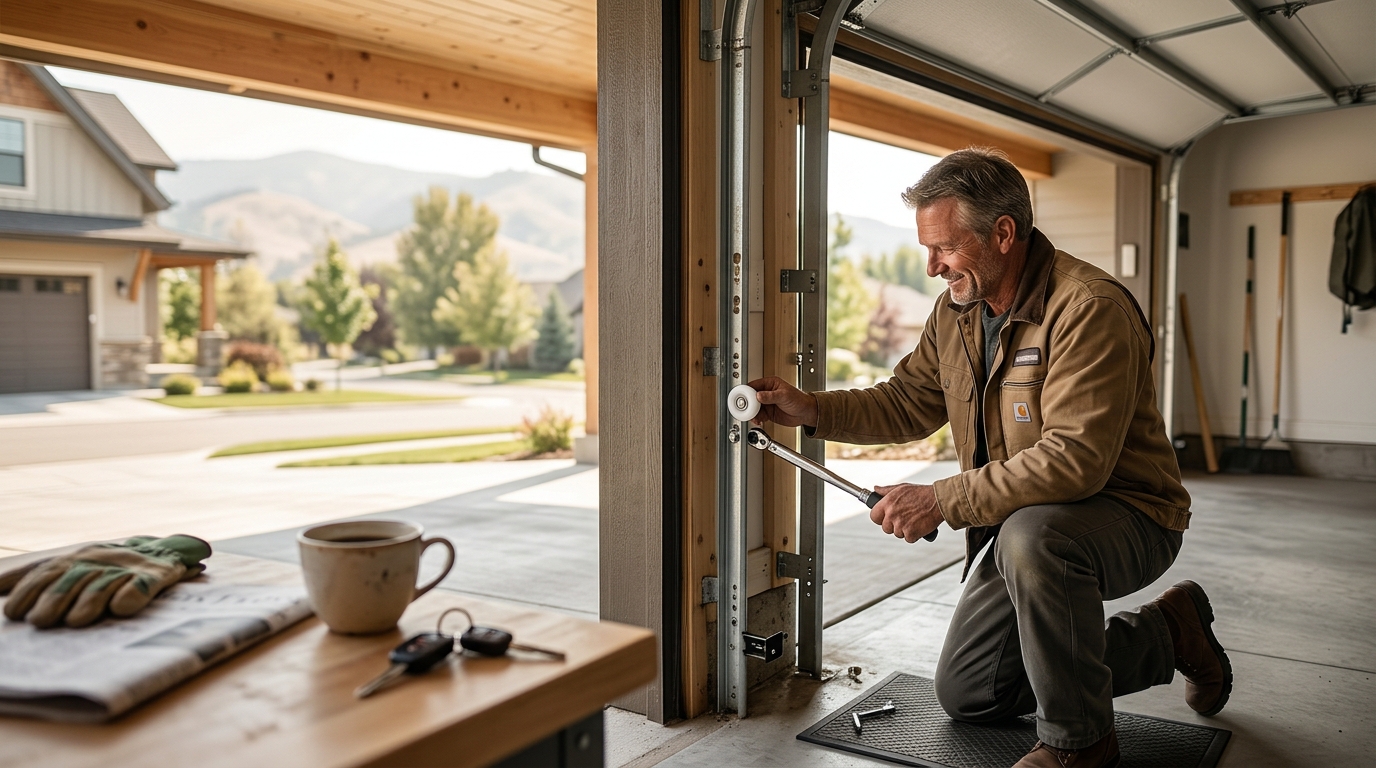
For a homeowner dealing with a noisy garage door, a targeted tune-up focusing on lubrication, hardware tightening, and roller replacement is significantly more effective than a standard visual inspection. A standard inspection often identifies obvious damage but fails to address the friction and wear that cause operational noise. This guide explains why a comprehensive mechanical tune-up is the superior solution for restoring quiet operation. It covers the specific steps involved in lubricating moving parts, tightening loose hardware, and replacing worn nylon rollers to eliminate grinding and squeaking sounds.
Lubrication and Adjustment
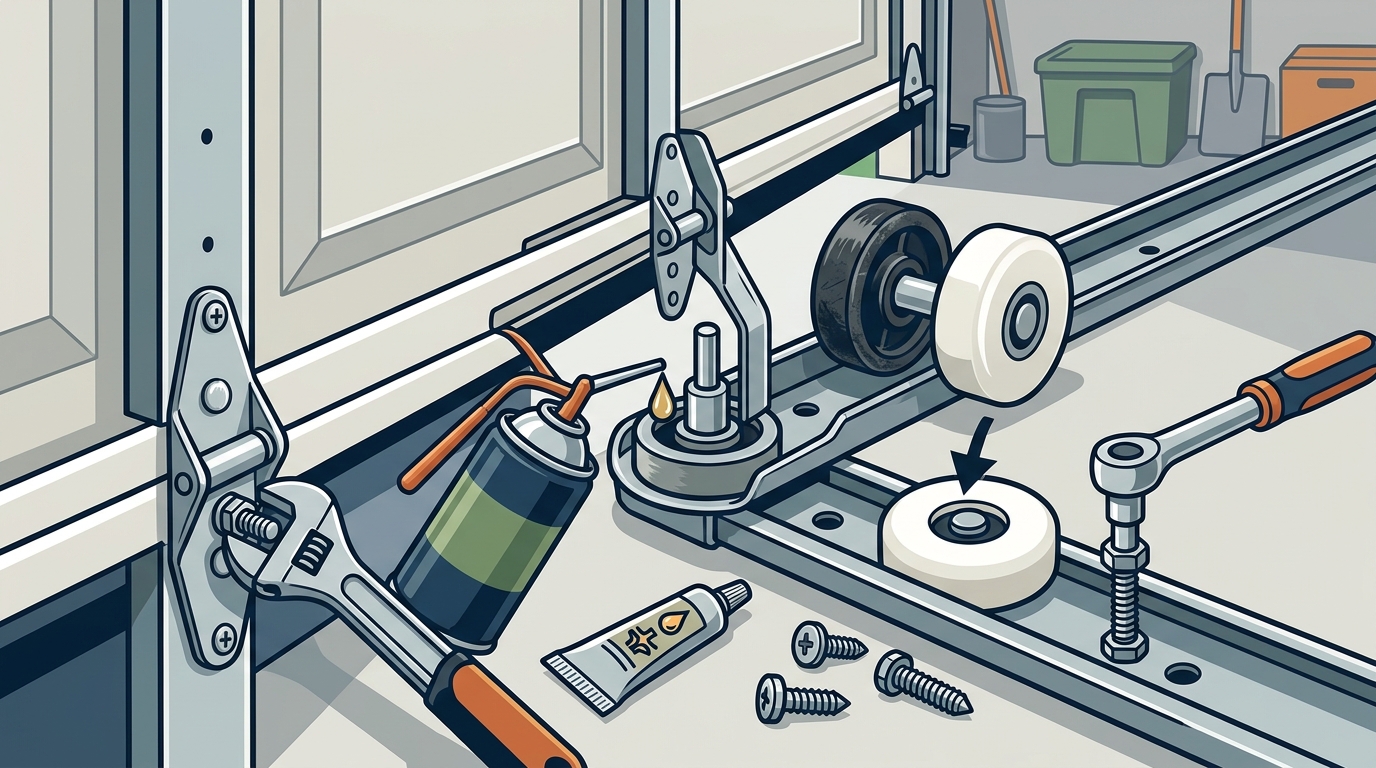
Noise in a garage door system is frequently caused by friction between moving metal components. A standard inspection might note that the door is "noisy" but rarely prescribes the specific lubrication required to fix it. A targeted tune-up begins with a thorough lubrication of all high-friction points. This includes the torsion springs, extension springs, rollers, hinges, and the opener chain or belt. Using the correct lubricant is critical; silicone-based sprays or lithium-based greases are ideal for garage door hardware, while standard WD-40 is often a poor choice because it evaporates quickly and can attract dust.
The Role of Proper Lubrication
Proper lubrication reduces the coefficient of friction between moving parts. When springs and hinges are dry, they grind against each other, creating a high-pitched squeal or a low rumble. By applying a dedicated garage door lubricant, you create a protective barrier that allows these components to move smoothly. This step alone can reduce noise levels by up to 50% in many cases. It is important to lubricate the springs carefully, avoiding the center of the torsion spring where the cables attach, to prevent slippage.
Adjusting the Opener Force
Hardware Tightening
Over time, the vibration from daily operation causes bolts, screws, and brackets to loosen. A standard inspection might miss these subtle shifts, but a detailed tune-up addresses them directly. Loose hardware creates a rattling or banging noise as the door moves along its tracks. The technician must inspect every hinge, track bracket, and opener mounting bracket. Tightening these components restores structural rigidity to the system, eliminating the play that causes rattling.
Track Alignment and Brackets
The tracks guide the rollers as the door moves. If the track brackets are loose, the tracks can shift slightly, causing the rollers to bind or jump. This results in a loud clunking sound. A professional will check the alignment of the tracks using a level and tighten all mounting hardware to the manufacturer's specifications. This ensures the tracks remain parallel and secure, providing a smooth path for the door.
Hinge and Roller Screws
The hinges that connect the door panels are subject to significant stress. If the screws holding the hinges to the panels or the tracks are loose, the panels can shift, causing a grinding noise. Tightening these screws is a simple but effective way to reduce noise. It is important to use the correct size screwdriver or socket to avoid stripping the heads of these screws. A well-tightened hinge system moves silently, even under the weight of a heavy steel door.
Nylon Roller Replacement
Rollers are the components that roll along the tracks. Most modern garage doors use nylon rollers, which are quieter than steel rollers. However, nylon rollers wear down over time, especially if they are not lubricated. A standard inspection might note that the rollers are "worn" but may not recommend replacement unless they are completely broken. A targeted tune-up for noise focuses on the condition of the roller wheels. If the nylon is cracked, chipped, or worn flat, it will create a loud grinding or scraping noise against the metal track.
Identifying Worn Rollers
Worn rollers often show visible signs of damage. The nylon surface may be shiny in spots where it has worn down, or it may have cracks radiating from the center. In some cases, the nylon has worn away entirely, exposing the steel core. This steel-on-steel contact is extremely loud and can damage the tracks. Replacing these rollers with new nylon ones is one of the most effective ways to reduce noise. New rollers roll smoothly and quietly, restoring the original operation of the door.
Benefits of Nylon Over Steel
Nylon rollers are preferred for residential garage doors because they are quieter and lighter than steel rollers. Steel rollers are stronger but create more noise due to the metal-on-metal contact. For a homeowner prioritizing quiet operation, nylon rollers are the best choice. They are also more durable in terms of noise reduction, as they do not wear down as quickly as steel rollers in terms of creating friction. Replacing all rollers at once ensures even wear and consistent noise levels across the entire door.
Comparison: Standard Inspection vs. Targeted Tune-Up
The following table highlights the differences between a standard visual inspection and a targeted mechanical tune-up for noisy operation.
| Feature | Standard Inspection | Targeted Tune-Up |
|---|---|---|
| Primary Focus | Visual damage and safety | Friction, wear, and noise sources |
| Lubrication | Often skipped or minimal | Comprehensive application to all moving parts |
| Hardware | Check for obvious looseness | Tighten all bolts, screws, and brackets |
| Rollers | Replace only if broken | Replace if worn, cracked, or noisy |
| Opener Adjustment | Basic function test | Adjust force and travel limits |
| Noise Reduction | Minimal | Significant |
Key Takeaways
- A standard inspection is insufficient for addressing noisy garage door operation.
- Comprehensive lubrication of springs, hinges, and rollers is the first step to reducing noise.
- Tightening loose hardware eliminates rattling and banging sounds.
- Replacing worn nylon rollers prevents grinding and scraping noises.
- Adjusting the opener force settings reduces motor strain and humming.
- Nylon rollers are quieter than steel rollers and are preferred for residential use.
- A targeted tune-up is more effective than a visual inspection for restoring quiet operation.
- Regular maintenance prevents noise from becoming a sign of major damage.
Frequently Asked Questions
Why is my garage door making a grinding noise?
A grinding noise is usually caused by worn rollers or dry hinges. The metal components are rubbing against each other without proper lubrication. Replacing the rollers and lubricating the hinges will typically resolve this issue.
Can I lubricate my garage door myself?
Yes, you can lubricate the rollers, hinges, and springs yourself using a silicone-based lubricant. However, adjusting the opener and replacing rollers requires professional tools and expertise. A professional tune-up ensures all components are addressed correctly.
How often should I have a garage door tune-up?
It is recommended to have a professional tune-up once a year. This ensures that all moving parts are lubricated, hardware is tightened, and rollers are in good condition. Regular maintenance prevents minor issues from becoming major repairs.
Are nylon rollers better than steel rollers?
Nylon rollers are quieter and lighter than steel rollers, making them ideal for residential garage doors. Steel rollers are stronger but create more noise. For most homeowners, nylon rollers are the better choice for quiet operation.
What is the difference between a tune-up and a repair?
A tune-up is a preventive maintenance service that addresses wear and friction. A repair fixes a specific broken component. A tune-up can prevent the need for repairs by addressing issues before they cause failure.
Will a tune-up fix a door that is stuck?
A tune-up may help if the door is stuck due to friction or misalignment. However, if the door is stuck due to a broken spring or cable, a repair is necessary. A professional can diagnose the specific cause of the issue.
Conclusion
For homeowners in the Treasure Valley dealing with a noisy garage door, a targeted tune-up is the superior choice over a standard inspection. By focusing on lubrication, hardware tightening, and roller replacement, a professional can eliminate the friction and wear that cause operational noise. Garage Door Store Boise offers comprehensive tune-up services that address these specific issues, ensuring your door operates quietly and safely. Contact them today to schedule a tune-up and restore peace to your home.